
Piles of trash can make a home renovation feel out of control fast, especially when every room seems to create another load in Lancaster, OH. The best way to stay ahead of the mess is to give debris a place to go from the start instead of letting broken materials, boxes, and old fixtures collect wherever there is open space.
Renovation waste also adds up faster than many homeowners expect. The U.S. Environmental Protection Agency estimates that the United States generated 600 million tons of construction and demolition debris in 2018, more than twice the amount of municipal solid waste generated that year. That makes it even more important to have a clear plan for debris before the work gets too far along.
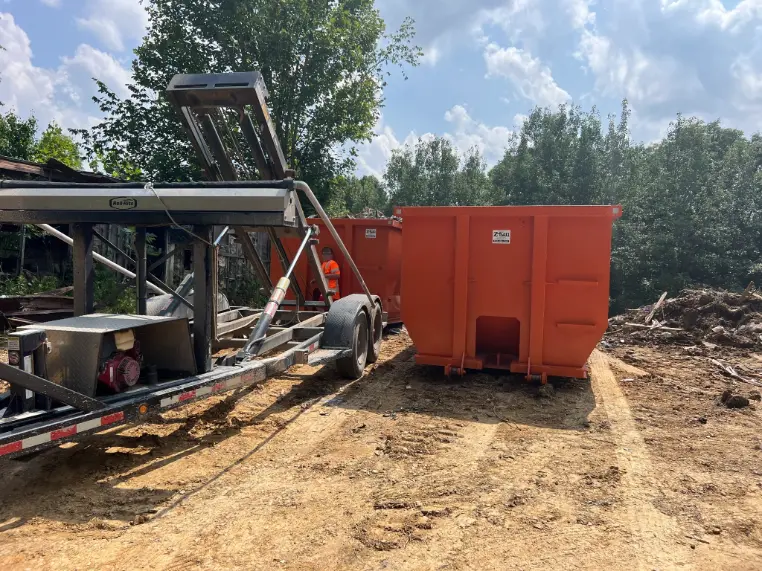
Where Should Renovation Debris Go in Lancaster, OH?
Keeping renovation debris under control is easier when you deal with it as the work moves forward. Set aside a clear collection area, separate materials that may need different disposal methods, and remove debris before it blocks walkways or work areas. Waiting until the end can leave you with one large mess to sort.
A simple routine can keep the project moving:
- Pick One Collection Area: Keep loose debris from spreading into rooms where work is still happening.
- Separate Materials As You Go: Keep heavy or restricted items apart instead of mixing everything.
- Clear Debris At Set Points: Remove material after demolition or another major stage instead of waiting for the renovation to end.
A growing big pile of trash is much easier to handle when you already know where each type of debris will go.
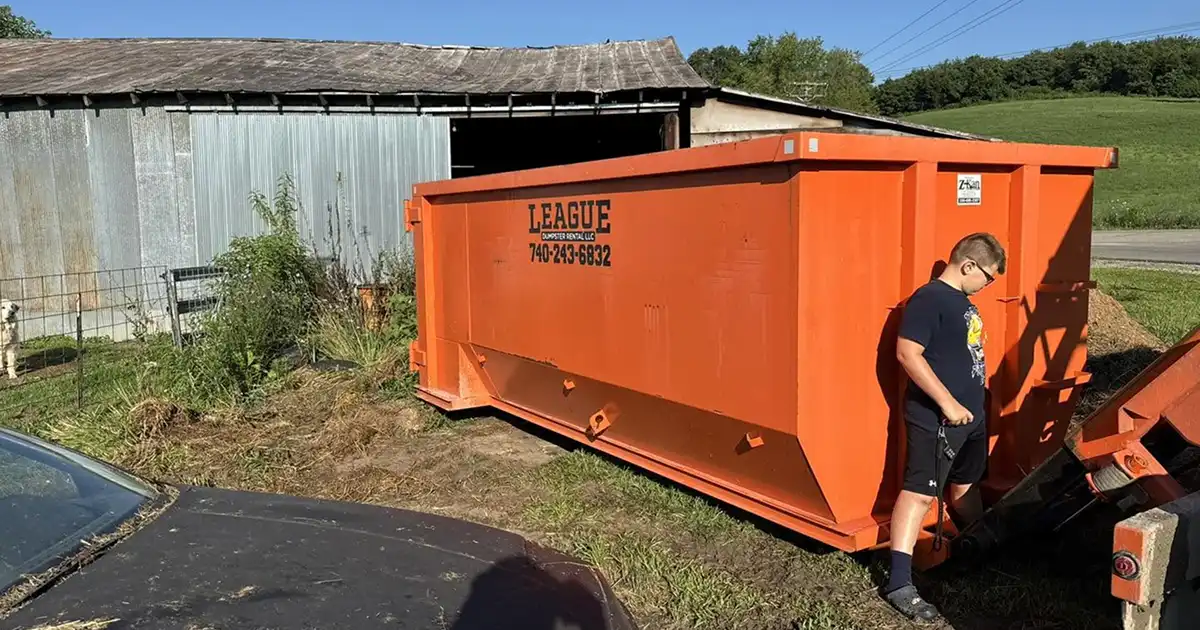
Keep Different Renovation Materials From Mixing
Renovation debris should not automatically become one mixed load. Concrete, brick, shingles, lumber, fixtures, packaging, and household items may need different handling depending on where you plan to dispose of them. Sorting as you work can save you from digging through a pile of trash later to pull certain materials back out.
Local disposal rules are a good reason to separate materials early. The City of Lancaster Transfer Station currently lists several renovation materials that it does not accept.
Renovation Material | What to Know Before Disposal |
Concrete, block, or brick | Not accepted at the city transfer station |
Shingles | Not accepted at the city transfer station |
Lumber over 4 feet | Not accepted at the city transfer station |
Household debris | Check the disposal option before loading |
Appliances | Ask about handling requirements before disposal |
Checking the destination first can keep piles of garbage from getting mixed with materials that need another disposal route.
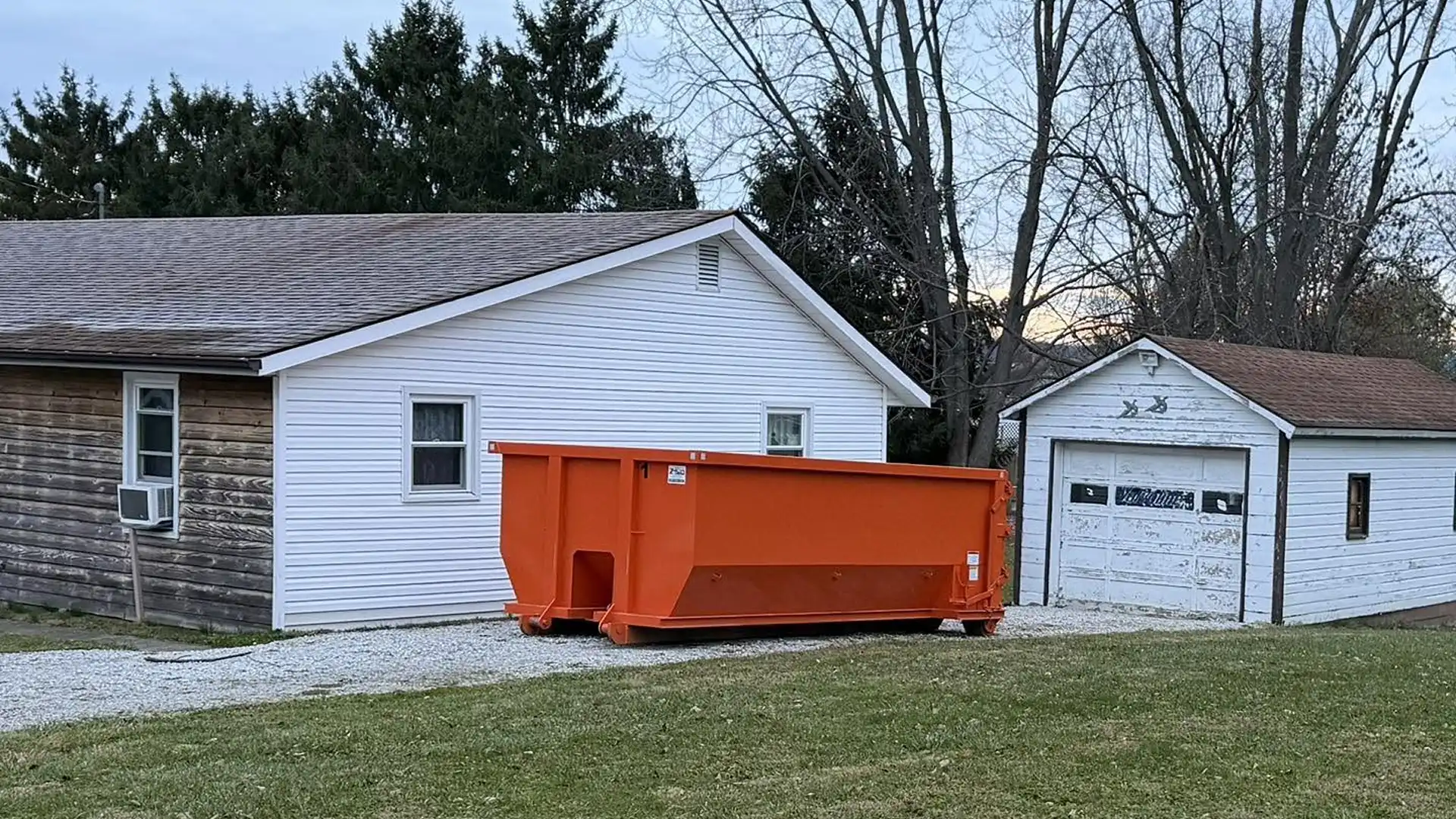
When Is a Dumpster Useful During a Home Renovation?
A dumpster can be useful when renovation debris builds over several days, and you want one place to load material as the project moves along. Instead of creating separate piles around the property or making repeated disposal trips, you can place debris into the container during each stage of the work.
A dumpster may be worth considering when:
- Demolition will create debris over several days
- Bulky material is taking up work space
- Several rooms are being renovated
- You want to load debris as you work
- The project will create more material than one vehicle trip can handle
The container size still needs to match the amount and type of debris. Heavy materials such as concrete and brick deserve extra attention because weight can change how the load needs to be handled.
What Turns Renovation Debris Into a Big Pile of Trash?
A big pile of trash usually builds when bulky, heavy, or spread-out materials collect faster than they are cleared. Renovation debris can take up more room than expected, especially when several parts of the home are being worked on at the same time.
Watch for:
- Large cabinets or fixtures
- Broken drywall or lumber
- Concrete or brick
- Old appliances
- Packaging from new materials
- Debris spread across several rooms
Spotting these items early can help you plan where the debris will go before the work area gets crowded.
What Should You Do Before Renovation Debris Starts Building Up?
Before demolition begins, decide where debris will collect, which materials may need separate handling, and how often you want the work area cleared. Planning those details early can make the cleanup easier to manage once cabinets, fixtures, drywall, or other materials start coming out.
A quick walkthrough can help you spot what may need extra attention:
What to Check | Why It Matters |
Bulky fixtures | They can take up space quickly |
Old appliances | They may need separate handling |
Concrete or brick | Weight can affect disposal options |
Collection area | Debris needs a clear place to go |
Amount of material | Larger projects may need more cleanup space |
You do not need to know exactly how much debris the renovation will create. A basic idea of what is coming out of the home can help you plan the cleanup before the first part of the project comes apart.
Keep Your Renovation Cleanout Moving in Lancaster, OH
Renovation debris is easier to manage when cleanup happens alongside the work instead of after it. Give materials a place to go, keep disposal restrictions in mind, and deal with piles of trash before they start taking over the space you need to finish the project.
At League Dumpster Rental, we help homeowners talk through available dumpster sizes, debris type, and disposal questions for renovation projects. If you need a dumpster for your project, contact our team and tell us what your project involves.
Frequently Asked Questions
Can League Dumpster Rental help me choose a dumpster for renovation debris?
Yes. We can talk through how much debris you expect and help you narrow down a container size. One rough method we use is estimating the load by 8-foot pickup beds, which gives you an easier way to picture the amount of material you have.
What should I tell League Dumpster Rental about my renovation before renting?
Give us a general picture of the project, including:
- What part of the home you are renovating
- Roughly how much debris you expect
- Whether concrete or brick is involved
- Whether appliances need to go
- Where the property is located
Those details give us a better starting point for discussing the rental.
Should concrete and brick be kept separate from other renovation debris?
Talk with us before mixing concrete or brick with household or renovation debris. Those materials are heavy, and tonnage, disposal costs, and travel distance can affect how the load should be handled. Contact us; we can help you avoid loading the container in a way that creates problems later.
Can League Dumpster Rental take old appliances from a renovation?
We can take appliances, although an extra charge may apply. We often suggest placing an unwanted appliance near the curb first in case a scrap collector picks it up. If it remains, give us a call and let us know what you have.
Can I call you with questions before my renovation starts?
Yes. We’re happy to talk through your project before the cleanup begins. If you have questions about the dumpster, the debris you expect, or anything that could affect the rental, give us a call or text us. We also respond on weekends, so you can get answers before the renovation gets underway.